Dog Eye Discharge: Colors, Causes, and When to See a Vet
This article may contain affiliate links. If you make a purchase through these links, we may earn a small commission at no extra cost to you. This helps us keep creating free content.

A bit of gunk in the corner of your dog's eye during your morning routine is usually harmless, just the eye's natural cleaning system at work. But when the color, amount, or consistency of discharge changes, it is worth paying attention.
Understanding what different types of eye discharge mean helps you tell a normal morning eye booger apart from something that needs a vet visit.
Normal vs. Abnormal Eye Discharge
Dogs produce tears to keep their eyes lubricated and flush out debris. A small amount of clear or slightly brownish discharge in the corners of the eyes, especially after sleep, is normal.

Common Causes and How Often They Occur
Conjunctivitis accounts for roughly a third of canine eye-discharge cases seen in general practice, often triggered by allergens, pollen, or foreign debris. Dry eye (keratoconjunctivitis sicca) affects an estimated 1 in 100 dogs, with Cocker Spaniels, Bulldogs, and West Highland White Terriers at 2-4x higher risk. Blocked tear ducts (nasolacrimal duct obstruction) are most common in brachycephalic breeds under 2 years old, while corneal ulcers, though less frequent at under 5% of cases, are the most urgent, needing treatment within 24 hours to avoid permanent scarring or vision loss.
| Cause | Approx. share of cases | Typical age/breed |
|---|---|---|
| Conjunctivitis | ~30-35% | Any age/breed |
| Blocked tear duct | ~15-20% | Brachycephalic, under 2yr |
| Dry eye (KCS) | ~1 in 100 dogs | Cocker Spaniel, Bulldog, Westie |
| Corneal ulcer | Under 5% | Any, urgent within 24h |
Decoding Eye Discharge by Color
Nutramax Cosequin Maximum Strength Plus MSM (60 ct)
Glucosamine + chondroitin + MSM, #1 vet-recommended joint supplement for arthritis and hip dysplasia.
See on Amazon →Clear and Watery
Clear, watery discharge is usually the least concerning type. Common causes include:
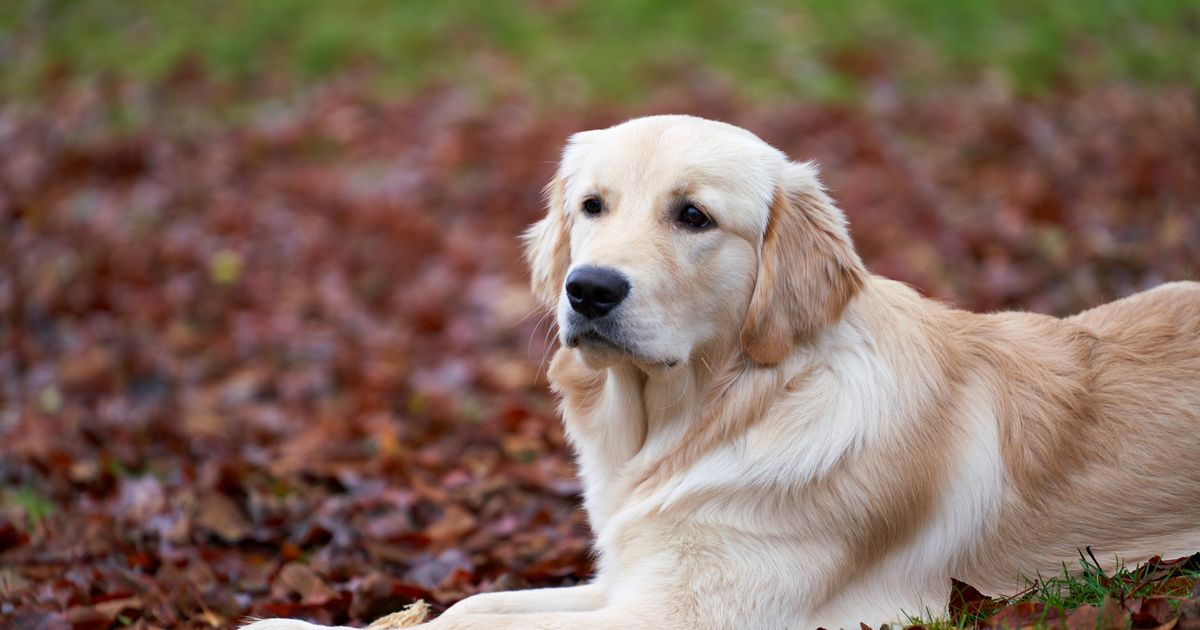
- Wind or dust irritation: Especially after walks on breezy days or in dusty environments
- Allergies: Seasonal or environmental allergies often cause watery eyes along with itching and sneezing
- Foreign body: A hair, grass seed, or speck of dirt irritating the eye surface
- Blocked tear duct: Causes overflow tearing (epiphora), common in certain breeds
If clear discharge is excessive, persistent, or your dog seems uncomfortable, a vet check can rule out a scratched cornea or early infection.
White or Gray, Mucus-Like
White or grayish stringy discharge often indicates dry eye (keratoconjunctivitis sicca, or KCS). This condition means your dog's eyes are not producing enough tears, so the mucus component becomes more concentrated and visible.
Brachycephalic breeds are overrepresented in nearly every eye-discharge category because their shallow orbits and shortened nasal passages compress the tear-drainage system. Pugs, French Bulldogs, Shih Tzus, and Boxers all show a higher rate of blocked tear ducts, chronic epiphora (overflow tearing), and KCS than long-muzzled breeds. Owners of these breeds should plan on daily eye wiping as routine maintenance, not just cleanup after a problem appears, since tear overflow is often a permanent anatomical feature rather than a temporary issue.
When a blocked tear duct is the cause, a vet can flush it under sedation, a procedure that typically costs $100 to $300 depending on whether general sedation or a lighter protocol is used, plus any diagnostic staining (fluorescein dye) to confirm the duct is actually obstructed. Chronic cases in brachycephalic breeds sometimes need repeat flushes every 6 to 12 months if the anatomy keeps re-narrowing the duct.
Yellow or Green
Yellow or green discharge should send you to the vet without delay. This color typically signals a bacterial infection and may indicate:
- Bacterial conjunctivitis: Infection of the conjunctival membranes, often accompanied by redness and swelling
- Corneal ulcer: A scratch or erosion on the eye surface that has become infected
- Canine distemper: A serious viral disease that can cause thick yellow-green eye discharge as an early symptom, another reason to keep vaccinations current
Yellow or green discharge usually requires prescription antibiotic eye drops or ointment. Do not treat it with over-the-counter products without veterinary guidance.
Brown or Reddish-Brown (Tear Stains)
Brown or reddish-brown staining beneath the eyes is common, especially in light-colored breeds like Maltese, Bichon Frise, and Poodles. The discoloration is caused by porphyrins, iron-containing molecules naturally present in tears. When tears overflow and sit on the fur, porphyrins oxidize and create the characteristic rust-colored stain.
Tear stains are primarily a cosmetic concern, not a medical one. Excessive tearing that causes them, however, can indicate an underlying issue like blocked tear ducts, ingrown eyelashes, or eyelid abnormalities worth investigating.
When to See the Vet
Book a veterinary appointment if you notice any of these signs:
- Yellow, green, or gray discharge
- Sudden increase in discharge amount
- Your dog is squinting, blinking excessively, or holding one eye closed
- Visible redness or swelling around the eye
- Your dog is pawing at or rubbing their eye
- Cloudiness or change in eye color
- Discharge accompanied by fever, lethargy, or nasal discharge
- Any eye injury or suspected foreign body
How fast you need to act depends on the symptom. The table below maps common discharge presentations to a likely diagnosis and a realistic timeframe for getting veterinary care.
| Symptom | Likely diagnosis | Urgency |
|---|---|---|
| Blood in or around the eye | Trauma, corneal rupture, clotting disorder | Immediate, same-day emergency vet |
| Swelling around the eye or eyelid | Abscess, glaucoma, orbital injury | Within hours, same-day vet visit |
| Yellow or green discharge persisting past 24-48 hours | Bacterial conjunctivitis or corneal ulcer | Within 1-2 days if no improvement |
| White or gray stringy discharge, ongoing | Dry eye (KCS) | Within a week, routine vet exam |
| Clear discharge, mild, no other symptoms | Irritation, allergy, or blocked tear duct | Monitor 2-3 days, vet if it persists |
| Brown tear staining, no redness or squinting | Porphyrin staining, cosmetic | Non-urgent, routine grooming |
Home Care for Mild Eye Discharge
For normal, mild discharge, you can keep your dog's eyes clean and comfortable at home:
- Gentle wiping: Use a soft, damp cloth or unscented baby wipe to clean around the eyes. Wipe outward from the inner corner. Use a separate cloth for each eye to avoid spreading potential infection.
- Saline rinse: Sterile saline solution (the same kind used for contact lenses) can flush mild irritants from the eye. Tilt your dog's head slightly and gently flush the eye.
- Keep hair trimmed: For long-haired breeds, keep facial hair trimmed so it doesn't irritate the eyes or trap discharge.
- Avoid irritants: Keep your dog away from cigarette smoke, heavy perfumes, and chemical sprays that can irritate eyes.
The Bottom Line
A little clear gunk in the corner of your dog's eye after a nap is normal biology. Changes in color, consistency, or amount, especially paired with discomfort or behavior changes, deserve a vet's attention: catching eye problems early almost always means simpler treatment and a better outcome.
🩺Disclaimer: This article is for informational purposes only and is not a substitute for professional veterinary advice, diagnosis, or treatment. Always consult a qualified veterinarian before making changes to your pet's diet, health routine, or medication.
Published by the Care4Dog editorial team. Published July 17, 2026. Updated August 11, 2026.
Editorial responsibility: see Imprint.
Spotted an error or have something to add? corrections@care4dog.com
Paw-some Tips, Weekly
Nutrition guides, health alerts, and training tricks — delivered every Thursday.
🎁 Free bonus: 50 Toxic Foods Dogs Must Avoid (PDF)
You might also like

Dog Food Allergies vs. Intolerances: What Is the Difference?
Itchy skin or digestive issues? Learn the important distinction between food allergies and intolerances and how each is diagnosed.

Why Is My Dog Eating Grass? 5 Possible Reasons Explained
Grass eating is one of the most common dog behaviors and it is usually harmless. Here are the real reasons dogs do it.

Dog Separation Anxiety: Solutions That Actually Work
Your dog's destructive behavior when left alone is not spite. Learn evidence-based strategies for managing real separation anxiety.
📖 All articles on Care4Dog →
Browse our other articles