How Often Should You Bathe Your Dog? A Practical Guide
This article may contain affiliate links. If you make a purchase through these links, we may earn a small commission at no extra cost to you. This helps us keep creating free content.

There Is No Universal Bathing Schedule
One of the most common grooming questions dog owners ask is how often to bathe their pet. The honest answer is that it depends on coat, lifestyle, and skin health. A Golden Retriever who swims in a lake every weekend has very different bathing needs than a Chihuahua who spends most of the day on the couch.
Most veterinary dermatologists suggest that healthy dogs with normal skin and coat can be bathed approximately once every four to six weeks. However, several factors can shift this recommendation significantly in either direction, sometimes down to every one to two weeks for dogs with skin conditions, or out to eight to ten weeks for dogs with thick double coats and no odor issues.
Factors That Affect Bathing Frequency
Burt's Bees for Pets Oatmeal Dog Shampoo (16 fl oz)
Colloidal oat flour + honey, sulfate-free, pH-balanced for dogs, the gentle pick for itchy skin.
See on Amazon →Coat type plays the biggest role. Double-coated breeds like Huskies and German Shepherds have natural oils that protect their undercoat and skin. Over-bathing strips these oils and can lead to dryness, flaking, and increased shedding. These breeds typically need bathing every six to eight weeks unless they get into something messy.
Short-coated breeds like Beagles and Boxers can go longer between baths because their coats shed dirt more easily. Wire-haired breeds such as Terriers fall somewhere in the middle, often doing well with monthly baths. Curly-coated breeds like Poodles and Doodles trap dirt and matting deeper in the coat, so many groomers recommend every three to four weeks paired with regular brushing to prevent tangles from forming between washes.
| Coat type | Bathing interval | Example breeds |
|---|---|---|
| Short-haired / smooth coat | Every 4 to 6 weeks | Beagle, Boxer, Labrador |
| Long-haired / silky coat | Every 3 to 4 weeks | Cocker Spaniel, Yorkshire Terrier, Shih Tzu |
| Curly / wire coat | Every 3 to 4 weeks, plus regular brushing between washes | Poodle, Doodle mixes, wire-haired Terriers |
| Double coat | Every 8 to 12 weeks; more frequent bathing strips insulating undercoat oils | Husky, German Shepherd, Golden Retriever |
| Water dogs / frequent swimmers | As needed, typically every 2 to 3 weeks with a full shampoo, plus a clean-water rinse after each swim | Labrador, Portuguese Water Dog, Retriever mixes |
Activity level and environment matter too. Dogs who spend a lot of time outdoors, roll in dirt, or swim regularly will naturally need more frequent cleaning; a dog who swims weekly in a lake or pond should generally be rinsed with clean water after each swim and given a full shampoo bath every two to three weeks, since pond water carries bacteria, algae, and parasites that plain toweling off won't remove. City dogs who primarily walk on pavement may stay cleaner longer than country dogs who romp through fields and mud.
A typical bath uses 1-2 gallons of water and 10-20ml of shampoo diluted per the 1:4 to 1:10 ratio on the bottle, with a full towel-and-blow-dry cycle taking 15-30 minutes for a medium-coated 40-lb dog versus 45-60 minutes for a long-haired or double-coated breed over 60 lbs.
Skin sensitivity varies between individual dogs. Some dogs have naturally sensitive skin that reacts to frequent washing with redness or flaking, while others tolerate weekly bathing without any issues at all. Age plays a role too: senior dogs often develop thinner, drier skin and typically do better with a longer interval between baths than they needed as younger adults.
Signs Your Dog Needs a Bath
Rather than sticking rigidly to a calendar, learn to read your dog's signals:
- Visible dirt or mud on the coat
- A noticeable odor that does not go away with brushing
- Oily or greasy-feeling fur, particularly along the back and around the tail
- Dull, lackluster coat appearance
- Your dog is scratching more than usual, which can indicate irritants or allergens trapped in the coat
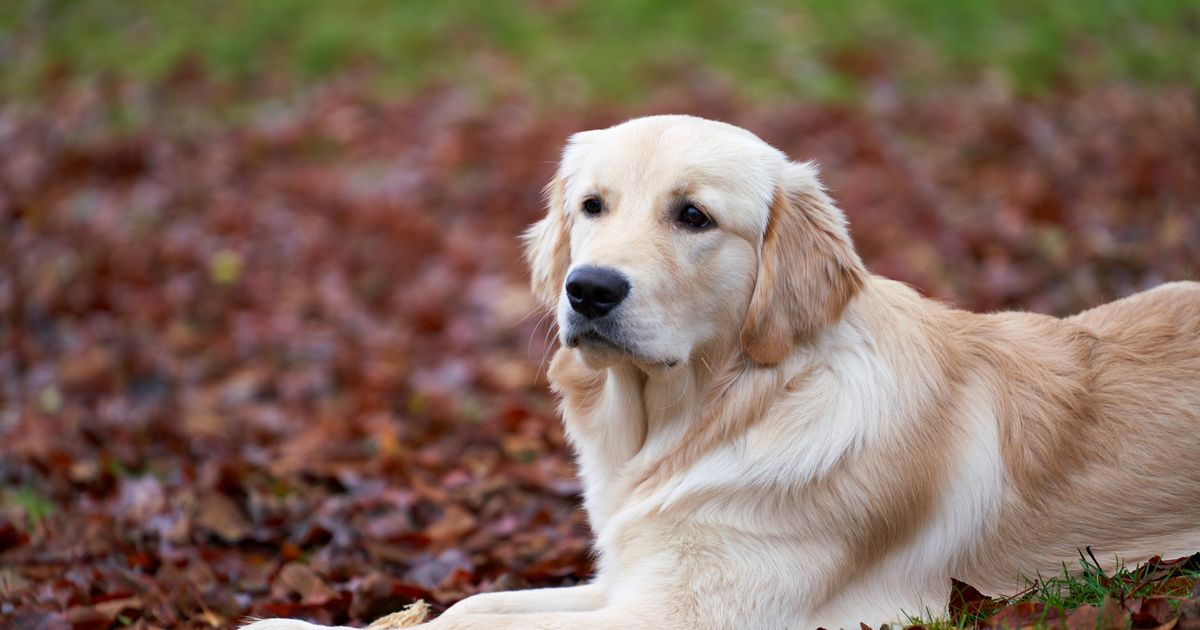
Trust your nose and your hands. If your dog smells off or feels grimy when you pet them, it is probably bath time regardless of when the last one was.
Signs You Are Bathing Too Often
Over-bathing is more common than under-bathing, especially among well-meaning owners who want their dogs to look and smell fresh. Watch for these warning signs:
- Dry, flaky skin or visible dandruff, especially along the back
- Increased scratching and irritation between baths
- A dull coat that lacks its usual shine, even right after washing
- Red or irritated patches of skin, particularly in the armpits or groin
If you notice two or more of these signs, stretch the interval between baths by at least two weeks and switch to a gentler, soap-free formula. Most dogs recover their natural oil balance within three to four weeks of reduced washing.

Choosing the Right Shampoo
Always use a shampoo formulated specifically for dogs. Human skin sits at pH 5.5 to 6.5, while a dog's skin runs closer to pH 6.2 to 7.4 depending on breed and coat, a gap of roughly half a point to a full point on the pH scale. Human shampoo is formulated for our more acidic skin barrier, and using it on a dog can disrupt that barrier, leaving skin dry, flaky, and more prone to irritation or secondary infection over repeated use.
Most dog shampoos, including concentrated formulas like the oatmeal shampoo above, are meant to be diluted before use. Check the label: typical dilution ratios run from 1:4 (one part shampoo to four parts water) for lightly concentrated products up to 1:10 for heavily concentrated professional-grade shampoos. Diluting not only stretches a 16 fl oz bottle across more baths, it also spreads the product more evenly through the coat and rinses out faster, which cuts down on the residue that causes post-bath itching.
For dogs with sensitive skin, oatmeal-based, sulfate-free shampoos like the one above offer soothing, soap-free cleansing. For dogs who get dirty frequently but have no skin issues, a mild everyday formula is better than a heavy-duty degreasing shampoo, which is really meant for one-off jobs like getting into something greasy or oily rather than routine washing.
Bathing Tips for a Better Experience
Many dogs dislike bath time, but a few adjustments can make the process smoother. Use lukewarm water in the 90°F to 95°F range (32°C to 35°C), never hot, since a dog's skin is thinner and more heat-sensitive than ours and water above 100°F can scald. Place a non-slip mat in the tub to give your dog secure footing; slipping during a bath is one of the fastest ways to build a lifelong fear of the tub. Start wetting from the back and work toward the head to reduce anxiety, and keep water and shampoo away from the eyes and inner ears.
Dilute the shampoo at the ratio printed on the bottle (1:4 to 1:10, see above) so it spreads evenly and rinses out faster. Rinse thoroughly; a full rinse for a medium 20 to 30 kg dog typically takes 3 to 5 minutes of running water. Leftover shampoo residue is one of the most common causes of post-bath itching, so if you think you've rinsed enough, rinse for another thirty seconds to be sure.
Dry your dog completely afterward, especially in the ear canals and between skin folds on wrinkly breeds. Towel-drying removes most surface water in 5 to 10 minutes; a cool-setting blow dryer held at least 6 inches from the skin cuts total drying time to roughly 15 to 25 minutes for a medium-coated dog, versus 45 minutes or more of air-drying for a thick double coat. Moisture trapped in ear canals or skin folds for more than a few hours can lead to bacterial or yeast infections, which show up as a sour smell and redness within one to two days.
Setting Up a Grooming Routine From Puppyhood
Bathing habits are easiest to establish early. Puppies can typically have their first proper bath around eight weeks old, once they've had at least their first round of vaccinations and your vet has given the go-ahead. Early positive bath experiences (short sessions, warm water, plenty of praise) make adult bathing dramatically easier, since dogs that learn to tolerate the tub as puppies rarely develop the fear response that makes bath time a wrestling match later on.
If you're building out a full grooming and care kit for a new puppy, from shampoo to nail clippers to a properly sized crate, the Puppy Supplies Checklist walks through what to buy first versus what can wait, so bathing gear doesn't get bought twice or skipped entirely.
Key Takeaways
Bathing your dog is not about following a strict schedule but about responding to their individual needs. Most dogs do well with a bath every four to six weeks, but breed, activity level, age, and skin condition all shift that number in either direction. When in doubt, less is usually more; your dog's natural skin oils exist for a reason, and stripping them repeatedly tends to cause more problems than it solves.
Focus on using a quality dog-specific shampoo, rinsing thoroughly, and drying completely, especially around the ears and skin folds. Between baths, regular brushing and quick washcloth wipe-downs do more for coat health than any shampoo bottle ever could.
🩺Disclaimer: This article is for informational purposes only and is not a substitute for professional veterinary advice, diagnosis, or treatment. Always consult a qualified veterinarian before making changes to your pet's diet, health routine, or medication.
Published by the Care4Dog editorial team. Published March 27, 2026.
Editorial responsibility: see Imprint.
Spotted an error or have something to add? corrections@care4dog.com
Paw-some Tips, Weekly
Nutrition guides, health alerts, and training tricks — delivered every Thursday.
🎁 Free bonus: 50 Toxic Foods Dogs Must Avoid (PDF)
You might also like

How to Trim Dog Nails Without Fear (Yours or Theirs)
Nail trimming does not have to be a battle. This step-by-step guide helps you build confidence and keep your dog calm.

How to Clean Your Dog's Ears Safely at Home
Ear infections are one of the top reasons dogs visit the vet. Learn how to clean your dog's ears properly at home with a simple step-by-step routine that keeps problems from starting.

Tick Prevention for Dogs: What Works and What Does Not
Ticks carry serious diseases. Learn which prevention methods are most effective and how to safely remove a tick if one latches on.
📖 All articles on Care4Dog →
Browse our other articles