Do Dogs Dream? The Science Behind Your Dog’s Sleep
This article may contain affiliate links. If you make a purchase through these links, we may earn a small commission at no extra cost to you. This helps us keep creating free content.

The Short Answer
Twitching paws, muffled barks, legs paddling as if mid-chase; this is REM sleep in action, and the research behind it goes back over two decades.
What the Research Says
KONG Classic Stuffable Dog Toy, Medium
Natural rubber chew toy that can be stuffed with treats.
See on Amazon →The MIT Rat Study
The foundational evidence for animal dreaming comes from a 2001 MIT study (Louie & Wilson, Neuron) on rats trained to run mazes. Researchers recorded the same hippocampal neurons firing during sleep in the same sequence and at the same relative timing as during the maze run; strong evidence the rats were replaying the experience while asleep, not just generating random noise.
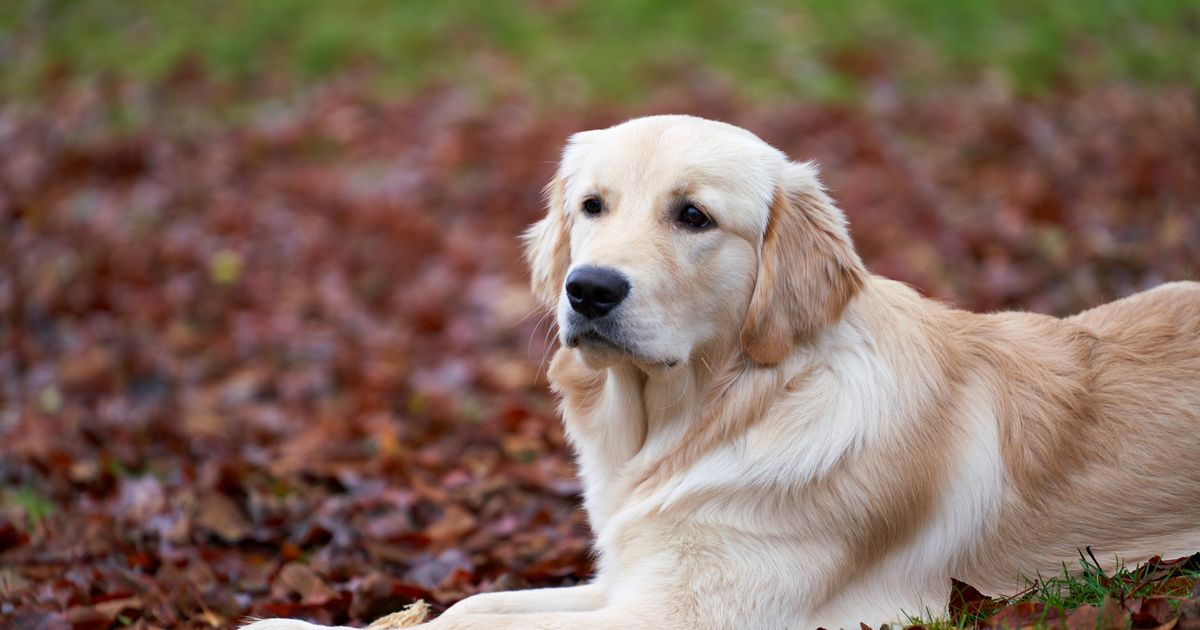
Dogs share the same hippocampus-based memory architecture and the same core sleep stages as rats and humans. Because of that structural overlap, researchers treat replay-style dreaming in dogs as highly likely, even though a dog has never been wired up to a maze-recall experiment the way MIT's rats were.
Brain Structure Similarities
Dogs and humans share the sleep-relevant brain structures that make dreaming possible:
- Hippocampus: handles memory consolidation during sleep
- Matching sleep-stage sequence: light sleep, deep sleep, and REM, in the same order
- Pons: the brainstem structure that blocks major muscle movement during REM to stop a sleeper acting out a dream

Dr. Deirdre Barrett, a psychologist at Harvard Medical School who studies dreaming, has suggested dogs most likely dream about people and activities they know well; owners, walks, meals, play. That tracks with what the underlying sleep-stage research shows about memory replay, though it remains inference rather than a directly tested claim.
Dog Sleep Cycles vs. Human Sleep Cycles
| Metric | Dogs | Humans |
|---|---|---|
| Full sleep cycle length | ~45 minutes | ~90 minutes |
| Time to first REM | ~20 minutes after falling asleep | ~90 minutes |
| Daily sleep, puppy | 18-20 hrs | 14-17 hrs (infant) |
| Daily sleep, adult | 12-14 hrs | 7-9 hrs |
| Daily sleep, senior | 14-16 hrs | 7-8 hrs |
| Share of sleep spent in REM | ~10% | ~20-25% |
A dog's ~45-minute cycle runs about half the length of a human's ~90-minute cycle, so dogs move through more REM windows per nap even though each individual REM stretch is shorter. Puppies need 18-20 hours a day while their brains process new information at a high rate; adults settle at 12-14 hours; seniors often creep back up toward 14-16 hours as recovery time increases with age.
How Size Affects Dreaming
- Small breeds tend to enter dream cycles more often but for shorter stretches per cycle.
- Large breeds tend to dream less frequently but for longer stretches once a cycle starts.
- Puppies spend a larger share of total sleep time in REM than adult dogs, consistent with heavier memory-consolidation demand during rapid learning periods.
What Do Dogs Dream About?
There is no way to directly interview a dog about dream content, so this section is inference built on brain-activity and behavior research, not confirmed fact. Based on replay-pattern studies and behavioral observation, likely dream content includes:
- Daily activities: walks, play sessions, interactions with other dogs
- People they're bonded to: per Dr. Barrett's research on companion-animal dreaming
- Food: lip-smacking during sleep is often read as an eating-related dream signal
- Chasing or being chased: running-in-place leg movement during REM
- Scent-driven experiences: plausible given how scent-dominant a dog's waking cognition is, though this specific claim is not directly tested
Why Do Dogs Twitch in Their Sleep?
During REM, the brain sends motor signals as if the body were awake and active. A brainstem structure called the pons triggers REM atonia, a near-total shutdown of signal transmission to the major limb muscles, the same mechanism that keeps a dreaming human from physically running. The block isn't 100% effective, and small movements leak through:
- Paw twitching and leg paddling: partial leakage of a "run" signal
- Facial twitching: whisker movement, lip curling, nose wrinkling
- Rapid eye movement: the movement that gives REM sleep its name
- Vocalizations: whimpering, soft barking, growling
- Tail movement: mild wagging during dream sequences
- Irregular breathing: breath-rate changes during active dream stretches
Should You Wake a Dreaming Dog?
Generally, no. Three reasons:
- REM sleep does real work. It's tied to memory consolidation and emotional processing; interrupting it repeatedly can affect mood and cognitive function.
- A dog woken abruptly from deep sleep can be disoriented and may snap or bite reflexively before becoming fully alert; a startle reflex, not aggression.
- Whimpering or crying during a dream is not distress that needs intervention in most cases; it typically passes on its own within seconds.
If a dog seems genuinely distressed; sustained yelping or crying that goes on for more than a few seconds; wake them by saying their name softly from a short distance rather than touching them first, so they have a moment to orient.
Do Dogs Have Nightmares?
If replay-based dreaming happens during sleep, unpleasant replay is plausible too. Dogs that whimper, cry, or show distress signs during sleep may be processing negative experiences, though this remains an inference rather than a directly measured finding. Dogs with a history of trauma or neglect are often reported by owners and behaviorists as showing more of these episodes, consistent with heavier emotional-processing load during sleep.
If a dog has frequent distressed-sleep episodes, practical steps include:
- A comfortable, quiet sleeping area away from foot traffic and loud noise
- A consistent daily routine, since dogs generally settle better with predictable schedules
- A dedicated bed rather than a shared or high-traffic sleeping spot
- A vet conversation if episodes are frequent, worsening, or paired with daytime anxiety signs
Fascinating Sleep Facts About Dogs
- Dogs are polyphasic sleepers: they sleep in multiple shorter periods across day and night rather than one long block
- Sleeping position reflects perceived safety: a dog sleeping belly-up is generally signaling that it feels secure in its environment
- Sleep schedules often sync to an owner's routine over time, particularly deep-sleep timing
- Working-breed dogs are commonly reported to "act out" job-related behavior in sleep: a retriever making mouth movements, a herding breed making leg movements consistent with circling
- Circling before lying down is widely considered an ancestral holdover from flattening grass and checking ground cover before sleeping outdoors
Final Thoughts
The twitching, paddling, and soft barking during a dog's sleep line up with a real, measurable brain state, not just random muscle noise. REM sleep in dogs shares its core mechanics with REM sleep in humans, right down to the same brainstem structure keeping the body still while the brain runs active. For owners tracking behavior alongside training routines, a training plan builder can help connect daytime activity levels to a dog's sleep and recovery patterns.
🩺Disclaimer: This article is for informational purposes only and is not a substitute for professional veterinary advice, diagnosis, or treatment. Always consult a qualified veterinarian before making changes to your pet's diet, health routine, or medication.
Published by the Care4Dog editorial team. Published March 5, 2026. Updated September 12, 2026.
Editorial responsibility: see Imprint.
Spotted an error or have something to add? corrections@care4dog.com
Paw-some Tips, Weekly
Nutrition guides, health alerts, and training tricks — delivered every Thursday.
🎁 Free bonus: 50 Toxic Foods Dogs Must Avoid (PDF)
You might also like

Dog Anxiety: Signs, Causes, and Natural Remedies
Anxiety affects more dogs than most people realize. Understanding the signs, identifying triggers, and knowing your options can dramatically improve your dog's quality of life.

Dog Separation Anxiety: Signs, Causes, and Solutions
If your dog destroys things, barks endlessly, or has accidents only when you're gone, it might be separation anxiety. Here's how to recognize it, understand why it happens, and actually fix it.

How to Clean Your Dog's Ears Safely at Home
Ear infections are one of the top reasons dogs visit the vet. Learn how to clean your dog's ears properly at home with a simple step-by-step routine that keeps problems from starting.
📖 All articles on Care4Dog →
Browse our other articles