Can Dogs Eat Carrots? Yes: A Vet-Approved Daily Treat
This article may contain affiliate links. If you make a purchase through these links, we may earn a small commission at no extra cost to you. This helps us keep creating free content.
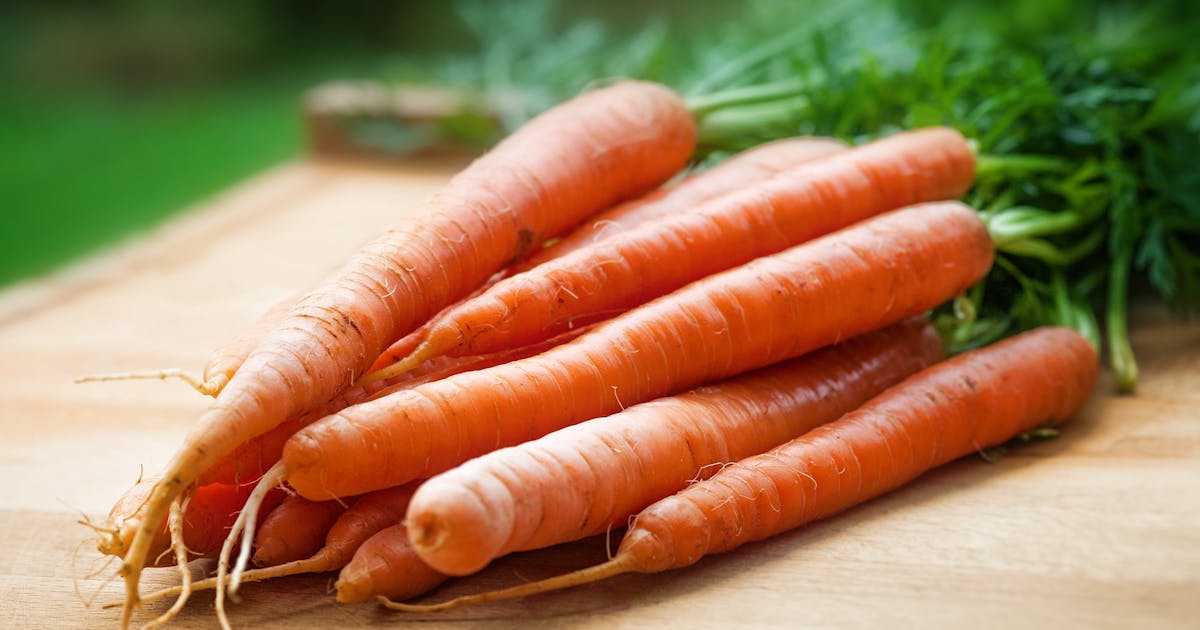
Carrots are one of the safest vegetables you can hand your dog. They are low in calories, about 25 calories per medium raw carrot, rich in beta-carotene, and firm enough to give a satisfying crunch that many dogs genuinely enjoy. Served raw, steamed, or frozen, carrots work as an everyday treat rather than an occasional indulgence.
Beyond nutrition, carrots offer something few other treats do: a mild dental benefit from the mechanical action of chewing. This guide covers exact portions by weight, raw versus cooked versus frozen, and the handful of situations where carrots are still worth a second thought.
Quick Answer: One of the Safest Treats Available
| Form | Calories | Best for |
|---|---|---|
| 1 baby carrot, raw | ~4 kcal | Adult teeth cleaning |
| 1 medium carrot, raw | ~25 kcal | Sliced treats |
| 1/2 cup, steamed | ~27 kcal | Sensitive stomachs |
| Frozen whole carrot | ~25 kcal | Teething puppies |
Why Carrots Are a Standout Snack
Kurgo Wander Hammock Dog Car Seat Cover
Water resistant, fits cars and SUVs, 55 inches wide, the car seat cover that actually stays in place.
See on Amazon →| Nutrient (per medium raw carrot, ~61g) | Amount | Why it matters for dogs |
|---|---|---|
| Calories | ~25 kcal | Low enough for daily use with weight-conscious dogs |
| Beta-carotene | ~3 mg | Converts to vitamin A, supports eye, skin, and immune health |
| Fiber | ~1.7 g | Supports digestion and helps dogs feel full on fewer calories |
| Water content | ~88% | Mild hydration support, especially useful in warm weather |
| Sugar | ~3 g | Low enough for most diabetic dogs, but confirm with your vet |
Raw, Cooked, or Frozen: How Preparation Changes the Benefit
Raw Carrots
Raw is the most common way to serve carrots, and it is also the version that delivers the dental benefit. The firm crunch mechanically scrapes some plaque off the tooth surface as your dog chews, though it is not a substitute for brushing or professional cleanings. For small dogs or puppies, cut raw carrots into thin coins or sticks rather than offering a whole baby carrot, which can be a choking hazard if swallowed in one bite.
Cooked Carrots
Steaming or boiling carrots increases how much beta-carotene your dog's body can actually absorb compared to raw, because cooking breaks down the plant cell walls that lock the nutrient in. Keep cooked carrots completely plain, no butter, salt, garlic, or seasoning blends, all of which can cause stomach upset or, in the case of garlic and onion powder, are genuinely toxic to dogs.
Frozen Carrots
Frozen whole carrots are a popular teething aid for puppies between about 3 and 6 months old, when sore gums make chewing on something cold and firm soothing. They also work as a low-calorie warm-weather snack for adult dogs. Always supervise a puppy with a frozen carrot and swap it out once it has been gnawed down small enough to swallow whole.

Portion Sizes by Dog Weight
| Dog weight | Suggested serving | Frequency |
|---|---|---|
| Under 5 kg | 1-2 baby carrots or a few thin slices | Daily is fine |
| 5-15 kg | 2-3 baby carrots or half a medium carrot | Daily is fine |
| 15-30 kg | 3-4 baby carrots or one medium carrot | Daily is fine |
| Over 30 kg | One whole carrot, sliced | Daily is fine |
Carrots are one of the few treats gentle enough for regular use, but the general guidance from most veterinary nutritionists still applies: treats, including vegetables, should stay under 10 percent of a dog's total daily calories. Use our Dog Treat Calorie Calculator to check how carrot servings fit into your dog's specific calorie budget, and our Dog Weight Checker if you are not sure which weight band your dog falls into.
Carrots and Dental Health: What They Can and Cannot Do
Chewing on a firm raw carrot creates friction against the tooth surface that can help loosen some surface plaque, which is why carrots are frequently recommended alongside other dental care. That said, carrots are a supplement to dental care, not a replacement for brushing or veterinary dental cleanings. A dog that relies on carrot chewing alone can still develop tartar buildup and gum disease over time.
Risks and When to Call Your Vet
- Choking hazard: Whole carrots or large chunks, especially for small dogs. Cut to an appropriate size for your dog's mouth every time.
- Digestive upset: Large amounts of raw carrot, more than the portions above, can cause gas or loose stool due to the fiber content.
- Carotenemia: A harmless but noticeable orange tint to the skin from eating unusually large amounts of carrots over time. It resolves once intake returns to normal and is not a medical emergency.
- Vitamin A concerns: Extremely unlikely from carrots alone, but dogs already on a vitamin A supplement should have total intake reviewed by a vet.
Call your vet if your dog chokes, gags repeatedly after eating a carrot piece, or shows abdominal pain, vomiting, or reduced appetite in the hours after eating one, which can point to a partial blockage from a piece that was too large. For any suspected poisoning unrelated to carrots, the ASPCA Animal Poison Control Center is reachable at 888-426-4435.

Carrots vs. Other Dog-Safe Vegetables
- Carrots vs. broccoli: Broccoli has more vitamin C, carrots are generally gentler on sensitive stomachs and lower in the compounds that can cause gas.
- Carrots vs. green beans: Green beans are slightly lower in sugar and calories, carrots edge ahead on beta-carotene and dental benefit from the crunch.
- Carrots vs. pumpkin: Plain canned pumpkin is often the better pick for a dog with an upset stomach, carrots are the better everyday crunchy snack.
Unsure whether a specific food is safe? Run it through our Dog Food Safety Checker before serving, and if you are building out a puppy's first supply list, our Puppy Supplies Checklist covers teething aids like frozen carrots alongside the rest of the essentials.
Frequently Asked Questions
Can puppies eat carrots?
Yes. Frozen whole carrots are a common recommendation for teething puppies because the cold soothes sore gums. Supervise chewing closely and remove the carrot once it has worn down enough to be a choking risk.
Can dogs eat carrot tops or greens?
Carrot greens are not toxic, but they can cause mild stomach upset in some dogs. Sticking with the root itself is the simpler and safer choice.
Should I peel carrots before giving them to my dog?
Peeling is not necessary. The skin is safe and adds a bit more fiber. Wash carrots thoroughly under running water to remove dirt or pesticide residue before serving, whether peeled or not.
Are cooked carrots better than raw for dogs?
Neither is strictly better. Cooked carrots make the beta-carotene easier to absorb, while raw carrots deliver the dental benefit from chewing. Many owners rotate between the two depending on the day.
🩺Disclaimer: This article is for informational purposes only and is not a substitute for professional veterinary advice, diagnosis, or treatment. Always consult a qualified veterinarian before making changes to your pet's diet, health routine, or medication.
Published by the Care4Dog editorial team. Published October 10, 2025. Updated August 20, 2026.
Editorial responsibility: see Imprint.
Spotted an error or have something to add? corrections@care4dog.com
Paw-some Tips, Weekly
Nutrition guides, health alerts, and training tricks — delivered every Thursday.
🎁 Free bonus: 50 Toxic Foods Dogs Must Avoid (PDF)
You might also like

Can Dogs Eat Lettuce and Salad Greens?
Wondering if your dog can safely munch on lettuce or other salad greens? Here's what's safe, what to avoid, and how to serve leafy greens as a healthy low-calorie snack.

Can Dogs Eat Honey? Sweet Facts You Should Know
Honey is natural, delicious, and packed with beneficial compounds — but is it safe for your dog? Here's what you need to know before sharing a spoonful.

Can Dogs Eat Salmon? Raw vs. Cooked Safety Guide
Salmon is an excellent protein source for dogs, but the way you prepare it makes all the difference. Here's what's safe, what's dangerous, and how to serve it right.
📖 All articles on Care4Dog →
Browse our other articles